



 "Hear O' Israel, GOD is King, GOD was King, The LORD shall reign forever and ever."

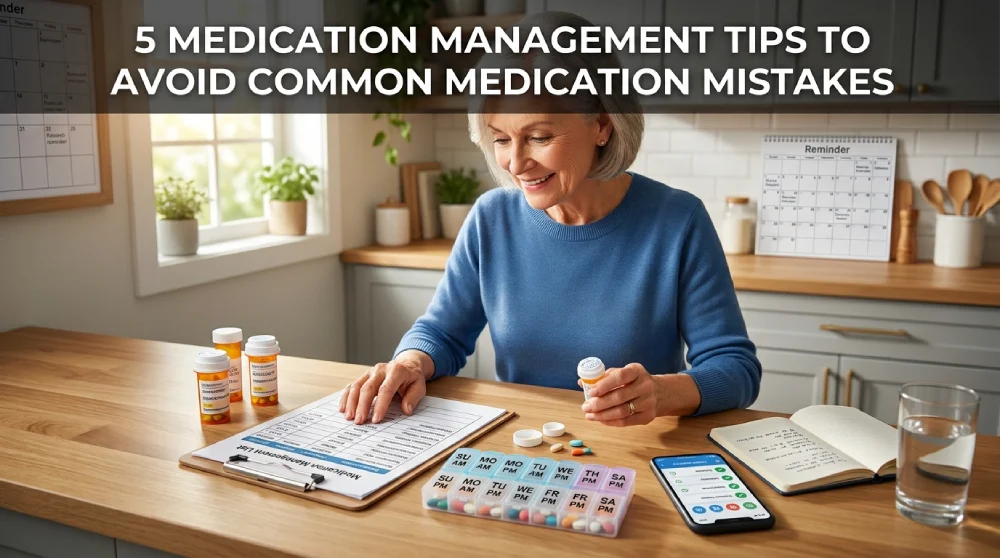
It’s easy to get confused when you’re taking multiple medications, particularly if the prescriptions are different doses, require different times and/or different refill dates. Simple procedures to take medicines correctly and minimise avoidable mistakes.
The following are some medication management tips to help organize medication, keep track of doses, and improve medication safety.
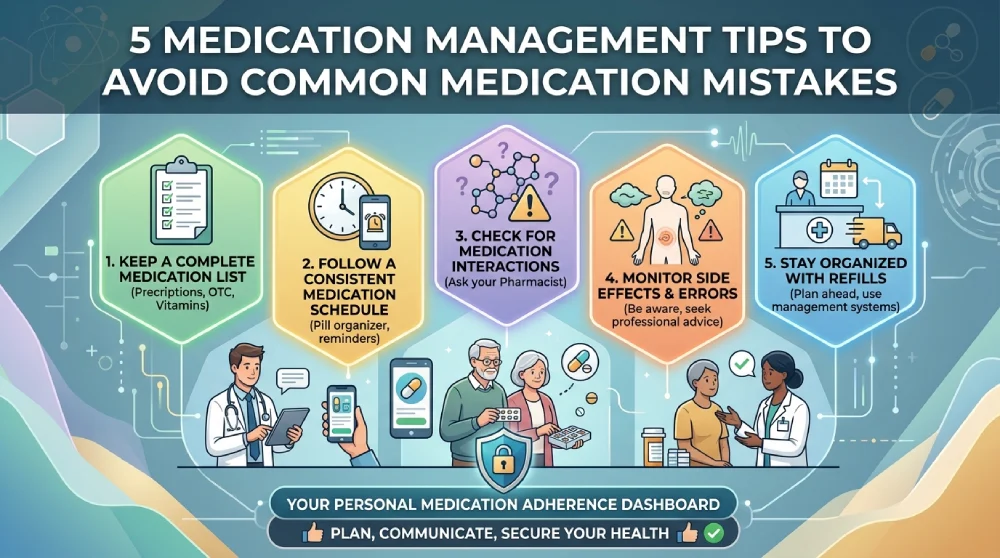
1. Keep a Complete Medication Management Tips List
The simplest method to avoid medication mistakes is to keep an up-to-date list of all medicines being used. Prescription medication, over the counter medicines, vitamins and supplements.
The list should contain the name of the medicine, dosage, purpose and frequency of medicine. This information can also be helpful for health care professionals in determining potential medication interactions.
What to Include
- The name of the medicine and the dose.
- Time and frequency
- Give a reason for taking it.
- Prescribing provider
- Any known allergies/Reaction
2. Follow a Consistent Medication Schedule
One of the key aspects of medication adherence is taking medicines at the correct time. Having a fixed medication schedule can help make things easier and prevent double or missed doses.
This might be helped by having a written schedule, pill organizer, or reminder app with it, especially if you are taking multiple medications throughout the day. Parents may find it helpful to have medication reminders so that the prescribed medication is taken on schedule especially when routines change.
3. Check for Medication Interactions
Some medicines may interact with each other. Medication interactions can interact with each other; this can affect the way the medicine works or make the risk of unwanted effects greater. Medicine interactions (with some food, supplements or other products) can be similar.
When someone is about to begin taking a new medicine, check with a pharmacist or healthcare professional if it is safe to take with existing medicines. This will be particularly important if long-term prescriptions are being added to, or changed.
4. Monitor Side Effects and Avoid Common Medication Errors
Be aware of unusual reactions to the first or change of medication. Medication side effects can be different for each medical case and medicine.
Common med errors: taking a wrong dose, taking a medicine at the wrong time, confusing similar names for medicines, and taking the missed dose twice. If a problem arises with a medication, follow the advice of a health care professional or a pharmacist and do not change the medication without consulting a healthcare professional.
5. Stay Organized With Refills and Medication Management Systems
Not taking an important medication when needed hampers a treatment plan. Knowing ahead of time about each medication refill can help avoid any last minute issues.
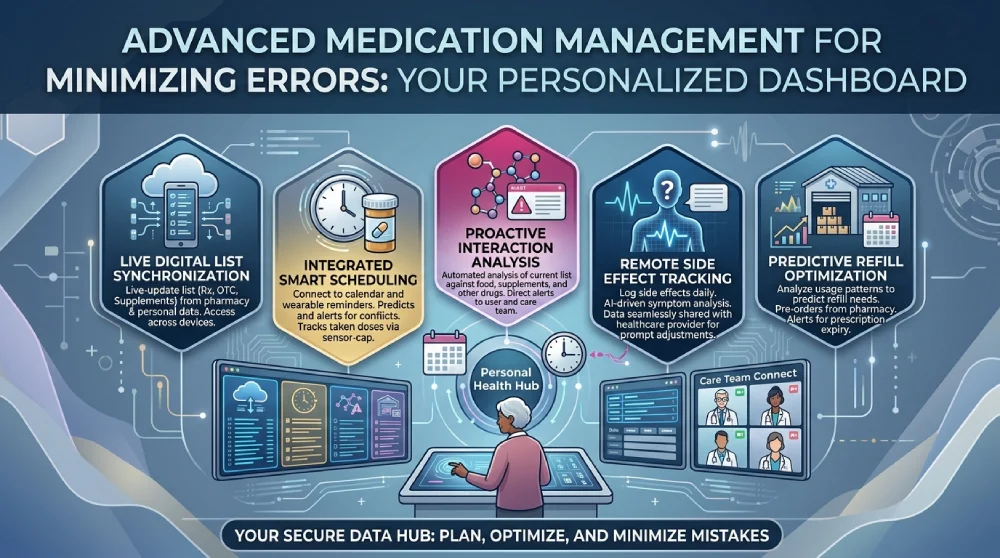
A medication management system can help individuals with multiple medications keep their medications lists, schedules, reminders and refill information all in one place. This can help medication compliance be easier to maintain.
For instance, if a patient is on cholesterol medications, they may have to take them on a regular basis, and may need to take them even if they do not feel any symptoms of a disease. If changes are desired, discuss with the prescribing professional.
How Can You Improve Medication Safety?
Planning and communicating are the key elements of good medication safety. Have a current list of medications, take them as directed, be aware of potential interactions, watch for side effects and make sure to plan ahead for refills before they are needed.
When it’s hard to take medications as prescribed, family members or caregivers can help, too. Many times, simple medication management tips can be sufficient to ensure that medication is taken on a regular basis.
Conclusion
Following practical medication management tips can reduce confusion and help prevent avoidable medication mistakes. Everyday medication management can be easier with a clear medication schedule, regular reminders, interaction checks and medication organization/arrangements.
If there is any doubt about a dose, side effect, interaction or missed medicine, a pharmacist or health care professional can offer the right advice.
Frequently Asked Questions
What are the best medication management tips?
The best medication management tips are: Have your medication list up to date, stick to your medication schedule, use reminders, check for medication interactions, monitor medications for refills, and consult health care professionals about anything unclear.
What are common medication mistakes?
Wrong dosage, forgetting doses, taking medicines at a wrong time, a medicine being mixed up, or the patient taking a dose when they think they already have taken the previous dose, are common medication errors.
How can medication reminders help?
Medication reminders can be used to remind the person when to take medication, especially if they have to take several throughout the day. Consistency can be achieved through the use of alarms, apps, calendars, and pill organizers.
What are medication interactions?
Medication interactions are when one medication interacts with another medication, food, supplement or substance. Some interactions may alter the action of a medicine or make it more likely to have side effects.
What are medicine interactions?
Medicine interactions are instances when the action of a medicine or substance is affected by another medicine or substance. Pharmacists can assess a list of medicines, and alert prescribers to possible interactions before a new medicine is prescribed.
How can medication side effects be managed?
Severe, unexpected or long-lasting side effects or adverse reactions to a medication should be discussed with a healthcare professional. Medicines shouldn’t be discontinued or altered without proper medical advice.
Why is medication adherence important?
Medication adherence is defined as the ability to take medications as directed. Consistency may be necessary to obtain the desired therapeutic response, and to prevent the occurrence of problems due to missed or incorrect doses.
What is medication compliance?
Medication compliance is the general term used to describe adherence to medication instructions (including the correct dose and timing). Having clear routines and reminders can help to make it easier to follow a treatment plan.
How can medication refills be managed?
If they have some medication left to give, it is best to keep track of that and ask for a medication refill early so they don’t run out. You can also get reminder and/or auto-refill services for your prescriptions from many pharmacies and healthcare systems.
What is a medication management system?
A medication management tips is a way or tool to organize medicines, schedules, reminders, doses and refills. It could be a simple chart or a sophisticated, electronic medication management system.
