



 "Hear O' Israel, GOD is King, GOD was King, The LORD shall reign forever and ever."

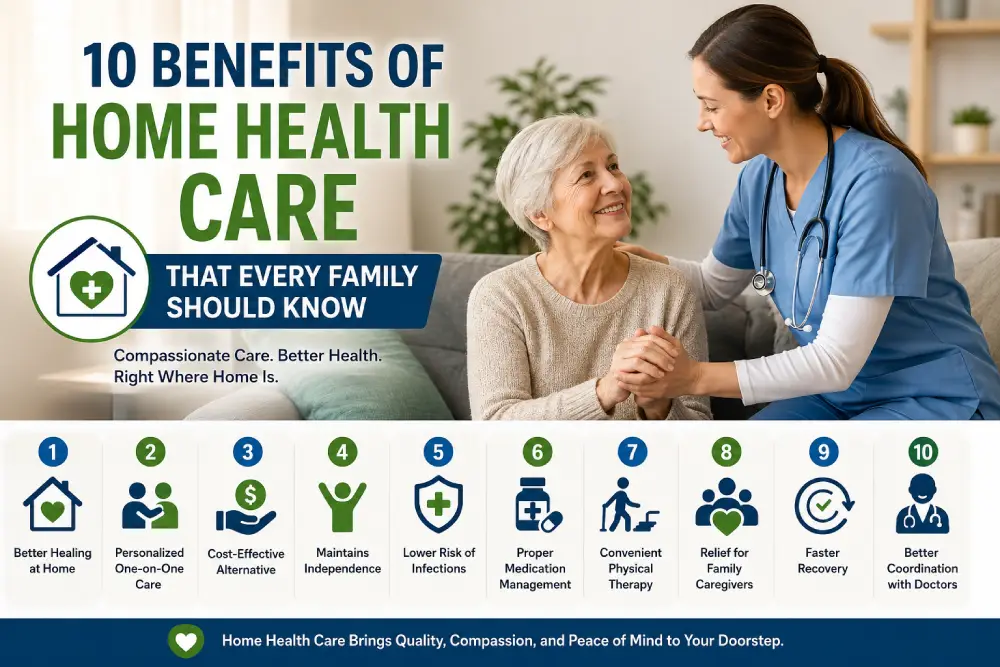
Figuring out care for aging parents or sick loved ones ranks among the hardest things families face. Should Mom move to a facility? Can Dad manage at home with some help? These questions keep people up at night.
Here’s the good news. Home health care offers a middle path that works for millions. It brings real medical professionals right to the doorstep. No stressful trips to clinics. No worrying about falls during transport. Just quality care delivered where people feel safest.
Let’s walk through what this actually looks like and why it matters for your family.
What Home Health Care Really Means
Skilled nursing sits at the core. Registered nurses handle wound care, give medications, monitor vital signs, and coordinate with doctors. Physical therapy helps people regain strength after falls or surgeries. Certified home health care aides assist with bathing, dressing, and daily activities. Home health care nursing covers everything from injections to patient education.
Here’s what makes it legit. Medicare guidelines recognize this as medical treatment. The Centers for Medicare actually covers these services when patients qualify as homebound. That means leaving home takes considerable effort or isn’t medically advisable.
Working with reputable home health care agencies ensures you get qualified professionals. These home health care providers undergo background checks and ongoing training. They understand medicare and home care coordination inside and out.

10 Benefits That Make Health Care Worth It
1. People Heal Better at Home
There’s something special about sleeping in your own bed. Familiar surroundings reduce stress. Patients eat better, rest deeper, and stay connected with pets and gardens.
Facilities feel foreign. The beeping machines. The strange smells. The constant interruptions. It eliminates all that. People simply do better when they’re comfortable. It’s that simple.
2. One Patient Gets Full Attention
In facilities, nurses split attention among many residents. Home care flips that completely. Each patient receives dedicated, one-on-one care from their health care provider.
If something changes, the nurse or aide notices right away. No waiting for shift changes. No hoping someone catches what’s happening. Problems get addressed immediately. That kind of attention makes all the difference.
3. It Usually Costs Less Than Facilities
Many families think facilities cost less. They’re often wrong. Skilled nursing facilities near me charge thousands monthly just for room and board. It eliminates those expenses entirely.
Plus, Medicare guidelines cover many health care services when patients meet homebound criteria. Private insurance often helps too. The financial picture frequently looks better with in-home care. Families save money while getting better attention.
4. Independence Gets Preserved
Nobody wants to lose control over daily life. Senior health care services understand this deeply. Professionals help patients do things themselves whenever possible.
A certified health care aide might assist with bathing but encourage patients to wash their own faces. They help with dressing but let patients choose their outfits. Small choices matter enormously for dignity. People feel like themselves longer.
5. Infection Risks Drop Dramatically
Facilities harbor germs. That’s just reality. When sick people share spaces, infections spread like wildfire. It reduces exposure significantly.
Patients encounter fewer people and less contaminated surfaces. During COVID-19, this benefit became crystal clear. For immunocompromised individuals, avoiding facility infections can literally save lives. It’s one of the biggest advantages.
6. Medications Get Managed Properly
Medication mistakes cause countless problems among older adults. Home care nursing prevents these errors. Nurses review prescriptions, check for dangerous interactions, and ensure correct dosages.
They coordinate with pharmacies and doctors. They educate patients and families about proper administration. This medication management reduces hospitalizations dramatically. Someone’s always watching out for dangerous combinations.
7. Physical Therapy Happens Where It Matters
Recovery requires consistent physical therapy. But getting to appointments becomes exhausting for many patients. Health care eliminates that barrier entirely.
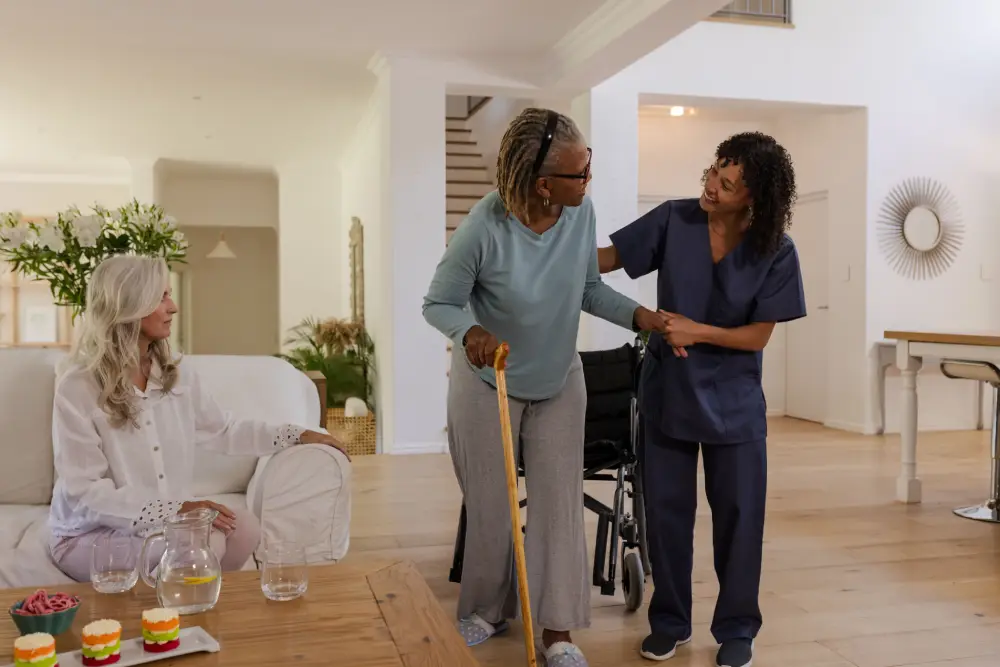
Therapists come to patients. They assess actual home environments and design exercises that fit real living spaces. Patients practice navigating their own stairs and using their own bathrooms. Skills learned at home get used at home. That’s how real progress happens.
8. Family Caregivers Get Relief
Family members often become primary caregivers. The physical and emotional toll is enormous. Home care provides backup that prevents burnout.
When professionals handle skilled nursing tasks, family members can focus on what matters most. Companionship and emotional support. This balanced approach strengthens family bonds. Everyone gets a break when needed.
9. Recovery Happens Faster
Research shows patients receiving health care for seniors often recover more quickly than those in facilities. The combination of personalized attention, lower stress, and familiar surroundings creates ideal healing conditions.
Patients leave hospitals earlier with professional support at home. They regain strength and function sooner. Everything flows more smoothly. Healing happens naturally when people feel safe.
10. Everything Gets Coordinated with Doctors
Home health care providers serve as the eyes and ears of medical teams. They maintain constant communication with physicians and specialists.
When changes occur, doctors hear about them immediately. Orders get implemented accurately. This seamless coordination prevents gaps in care and reduces unnecessary emergency visits. Everyone stays on the same page.
Finding the Right Provider
Choosing from available home health care agencies requires some homework. Check licensing and certification through state agencies. Ask about staff experience with specific conditions. Confirm availability of skilled nursing and therapy services.
Understand response times for urgent needs. Review communication practices with families. Most agencies offer free consultations. Use these opportunities to ask questions and assess compatibility. Trust your instincts.
Ask about their experience with medicare and home health care billing. Verify they follow Centers for Medicare requirements. Make sure they employ certified home health care aides and licensed nurses. Quality matters.
Frequently Asked Questions
What’s the difference between health care and regular home care?
Home care is medical. Nurses and therapists come to your house, but only if a doctor orders it. Regular home care is bathing, fixing meals, getting around.
Does Medicare pay for home health care?
Yeah, but there’s rules. You gotta be homebound and need skilled nursing or therapy. They’ll only cover personal care if you’re also getting skilled nursing. So it’s not automatic.
How does someone qualify as homebound?
It just means it’s really hard for you to leave home. Like, it takes a lot of effort or it’s not safe. But you can still go to doctor appointments — that doesn’t count against you.
Can family members still help with care?
For sure. Family can keep doing what they’ve been doing. The pros just handle the medical stuff. That way nobody gets worn out and everyone stays in the loop.
What skilled nursing services come to homes?
Things like wound care, giving meds, IV therapy, catheter care, checking vitals, and teaching patients what to do. All done by registered nurses, and only if the doctor says so.
How do providers communicate with doctors?
They send reports, make calls, and use electronic records. If something changes, they don’t wait — they call the doctor right away.
What happens if a patient’s condition changes?
The nurse spots it during a visit and calls the doctor immediately. Then they adjust the treatment fast so things don’t get worse.
How often do professionals visit?
It depends. Some patients need daily visits. Others just a few times a week. Therapy is usually two or three times a week.
Is home health care cheaper than facilities?
Yeah, usually way cheaper. You’re not paying for room and board like you would in a nursing home. Plus Medicare helps cover a lot of it.
How can families check agency quality?
Check their state license, Medicare certification, and read online reviews. And when you talk to them, ask about staff qualifications, emergency plans, and how they keep in touch.
