

 "Hear O' Israel, GOD is King, GOD was King, The LORD shall reign forever and ever."
Women are always putting everyone else first. Family. Work. Friends. Everybody’s needs come before your own. That’s just how it goes, right? But here’s the thing, building a foundation for your own health? That’s not selfish. That’s essential.
Women’s wellness is about showing up for yourself every single day.
The Big Picture: What Women’s Wellness Actually Means
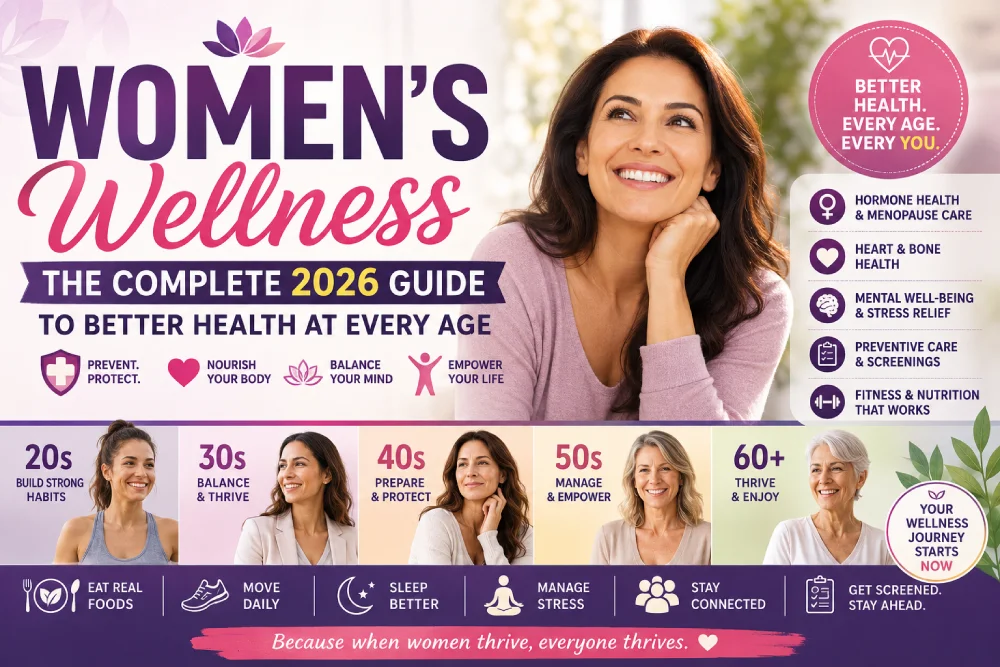
Women’s wellness goes beyond just physical health. It is a whole-person approach that includes a woman’s body, mind, and spirit . It means building sustainable habits that work for your unique body at every life stage .
Most ladies health issues and health problems are preventable with the right lifestyle and preventive care. The World Economic Forum found that women’s health only receives 6% of private healthcare investment.
Many most common female health problems like cardiovascular disease, osteoporosis, and menopause remain underfunded and under-researched . Conditions like endometriosis and PCOS affect tens of millions but receive less than 2% of women’s health investment .
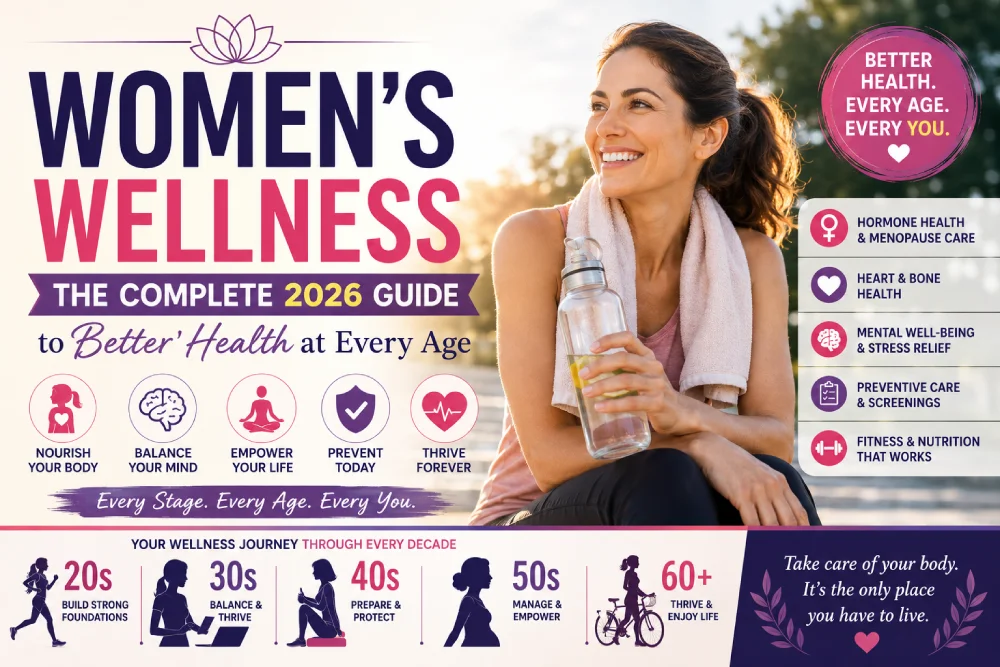
Women’s Health by Decade: A Life Course Approach
Your body changes as you age. What you need for women’s wellness in your 20s is different from what you need in your 50s or 70s. Women’s wellness is about adapting.
- In Your 20s: Building a Strong Foundation
This is the prime time to build peak bone density and muscle mass. Establish healthy habits that will pay off for decades. Get enough iron, women who menstruate lose iron each month and need 18 mg per day from meat, seafood, nuts, beans, or fortified grains . Include bone-building foods like dairy and leafy greens. Mix up your fitness routine with both cardio and weight training.
- In Your 30s: Navigating Busy Years
Maintain mental well-being. Juggling family, career, and more can be challenging. Get 400 micrograms of folic acid daily from supplements or enriched cereals. Seek preconception counseling if thinking about pregnancy in the next year.
- In Your 40s: Preparing for Perimenopause
Perimenopause begins in the mid-to-late 40s for most women. Hormonal changes can bring on weight gain, especially around the middle. Add weight-bearing exercises to your routine. Have a conversation with your doctor about mammogram screening. Adapt healthy sleep and mental health habits .
- In Your 50s and Beyond: Managing Menopause and Chronic Disease
Heart disease is the leading cause of death for women. Know your risk. Schedule a colonoscopy and get your shingles shot . The CDC recommends screening for colon cancer at age 50 . Recognize the signs of menopause and manage symptoms.
Hormone replacement therapy for menopause remains the most effective treatment for vasomotor symptoms and genitourinary symptoms of menopause . New treatments are also emerging. In January 2026, the European Medicines Agency recommended approval of Fylrevy, a new estetrol-based hormone replacement therapy .
- In Your 60s and Beyond: Thriving in Later Life
Keep up social connections. Nearly one-fourth of adults age 65 and older are socially isolated . Volunteer or join a group. Get screened for osteoporosis. The USPSTF recommends screening for women age 65 and older . Keep your body active. Even a daily walk has amazing health benefits . Play mind games to keep your brain active .
Lifestyle Foundations for Women’s Wellness
Women are more likely than men to have a heart attack with no severe blockage in an artery, called nonobstructive coronary artery women disease. After menopause, women are at higher risk due to hormonal changes.
The best vitamins for women depend on age and life stage. For best vitamins for women, consider B vitamins, vitamin C, vitamin D3, and vitamin E . For best vitamins for women over 50, nutrient needs shift. Calcium and Vitamin D needs increase for bone health, while iron needs decrease after menopause.
Menopause supplements can help manage symptoms. Select botanicals show promise for sleep, libido, and stress relief .
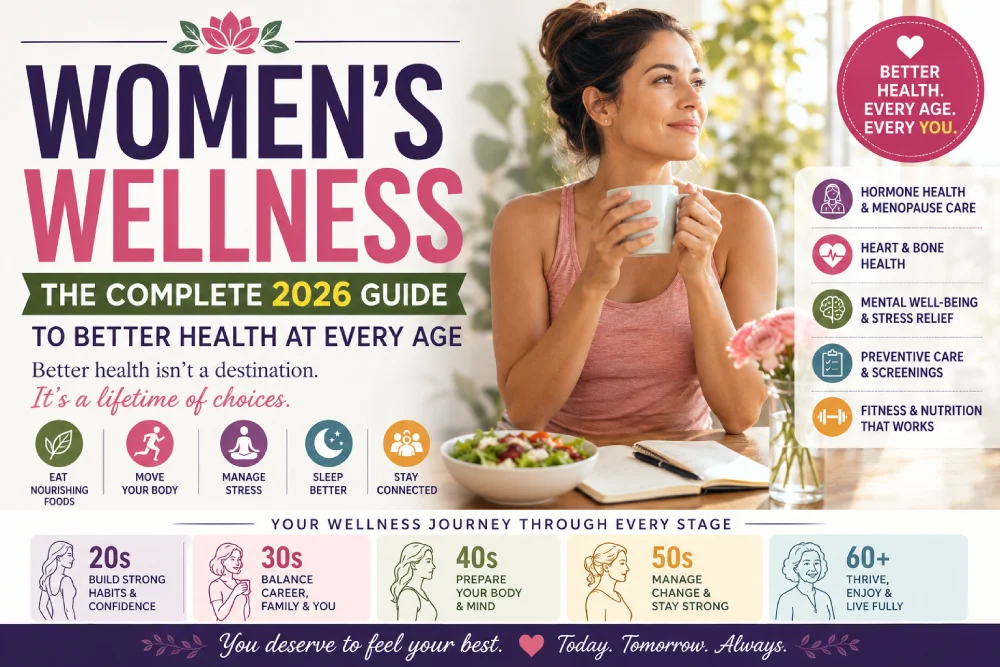
Finding a Women’s Health Clinic Near Me
Look for a women’s health clinic near me that offers comprehensive, whole-person care. Ask about preventive screenings, menopause management, and bone health services. Building a long-term relationship with a primary care physician is foundational . A good women’s health clinic will help you navigate women’s wellness at every age.
Conclusion:
Women’s wellness is a daily practice. Start with small changes that stick. Schedule your annual wellness visit and come prepared with a list of questions . Prioritize sleep. Be kind to yourself. If you are asking yourself whether you need help, you really should seek it.
Frequently Asked Questions
What is the most common health problem in women?
Heart disease is the number one killer of women. And here’s the thing, women don’t always get chest pain. They get nausea, or have neck and back pain. After menopause, the risk jumps even higher. So don’t ignore those signs.
What vitamins should every woman take daily?
Most women need vitamin D3, B vitamins, and calcium. After menopause? You need more D and calcium, but less iron.
Is hormone replacement therapy safe for menopause?
It can protect your heart, keep your bones strong, and ease those symptoms. The FDA is even walking back those old scary warnings. So it’s worth talking to your doctor about.
How can I manage menopause weight gain?
Start lifting weights. It stops muscle loss and keeps your metabolism from tanking. Eat more plants, protein, and fiber. Losing weight during menopause just takes consistency.
What is the difference between perimenopause and menopause?
Perimenopause is the transition, and it can drag on for 4 to 8 years. Menopause is official when you’ve gone a full 12 months without a period. Two different stages. Both tough in their own way.
What are the signs of perimenopause?
Night sweats, messed-up sleep, mood swings, vaginal dryness, and your metabolism going haywire. It’s like your body’s throwing a tantrum. And it’s completely normal.
Can probiotics help with vaginal health during menopause?
Yeah, they can. Probiotics for vaginal health support your microbiome and can lower your chances of UTIs and help with vaginal dryness.
When should I start getting mammograms?
Talk to your doctor. For many women, it’s in their 40s. But it really depends on your family history and personal risk.
What is a women’s health clinic near me?
It’s a place that does it all — screenings, menopause care, breast health, reproductive services. Finding a good primary care doc is step one.
How can I improve my mental health as a woman?
Learn to say no. Don’t overcommit. Reach out to someone every day. Find ways to de-stress. And if you’re drowning? Get help.
